
Home – Battery recycling
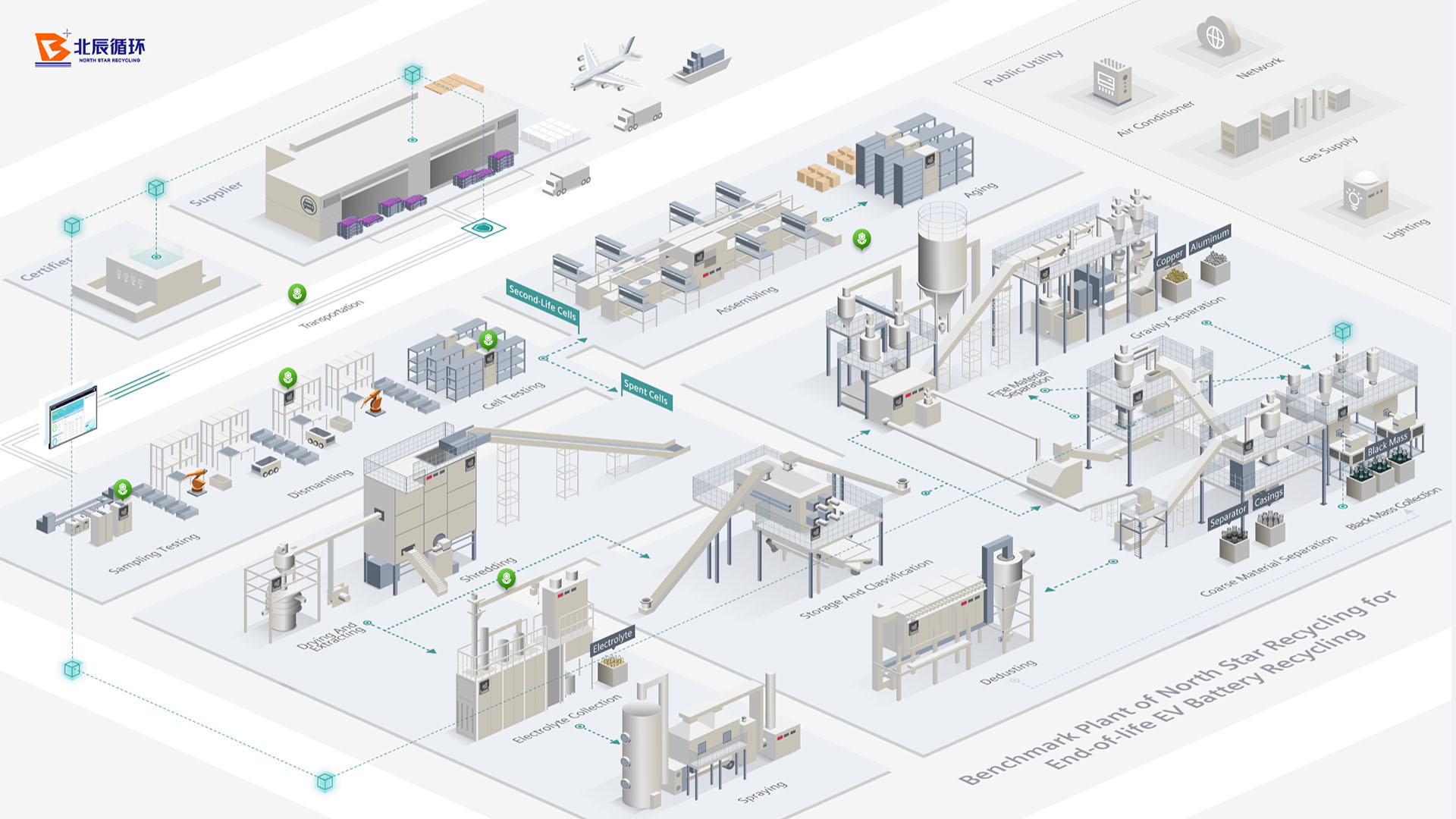

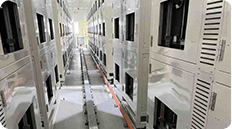
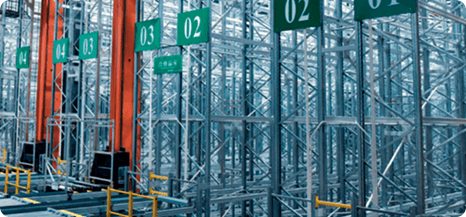
Automated 3D warehouse
Function

Achieves intelligent loading, testing, zonal storage, discharging, and transfer of battery cells.
Pros
High storage capacity per unit area: The storage capacity is more than five times that of traditional storage facilities.
Integrated storage and testing discharge: The system boasts a high level of automation for warehousing processes, discharge testing, transportation,and retrieval operations, enhancing operational efficiency.
Safe and Reliable: Each battery cell compartment is equipped with dedicated temperature monitoring. The facility utilizes sophisticated dual-responsefirefighting systems for both gas and water, specifically designed to promptly address and effectively manage incidents involving battery cells, thereby mitigating risks and preventing the escalation of hazards.
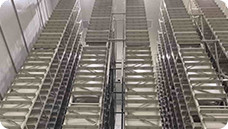
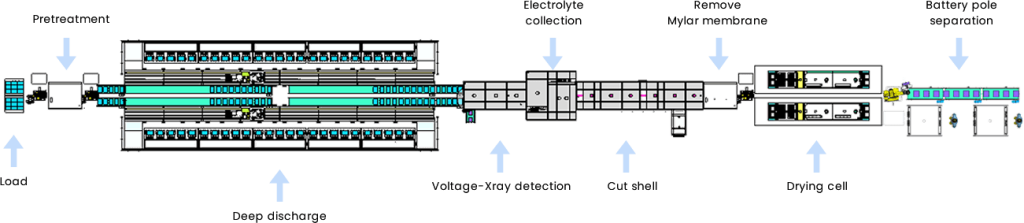
Deep discharge
Function
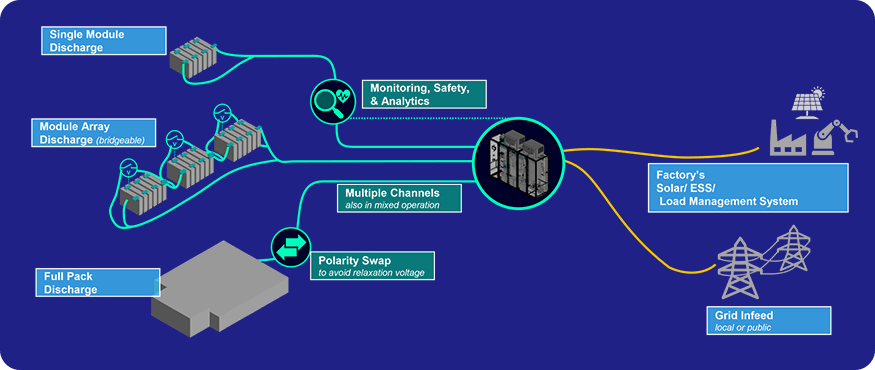
Ensures that any remaining electrical charge is removed, minimizing the risk of electrical hazards during handling and transportation. This is crucial for protecting workers and preventing accidents.
Highly configurable, built on a powerful and versatile DC-portfolio. Reliable and safe operation.
Battery pack/ Module
Function
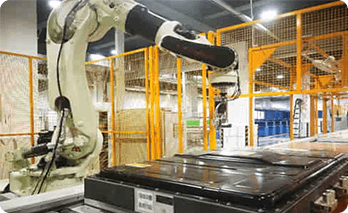
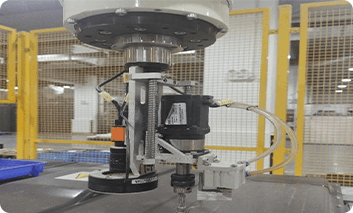
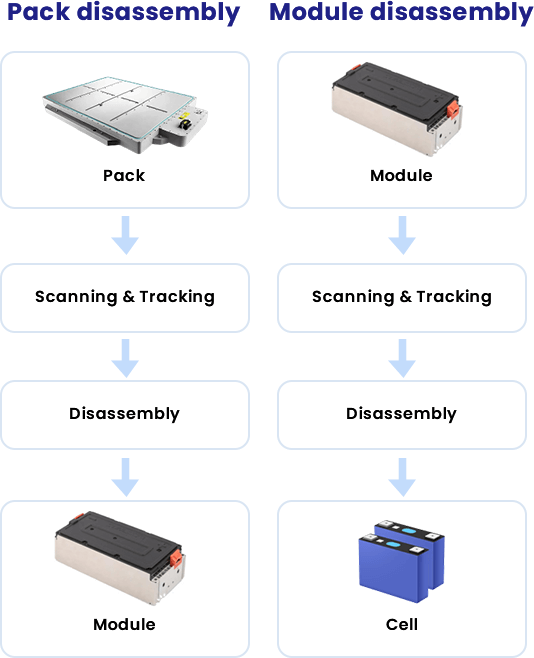
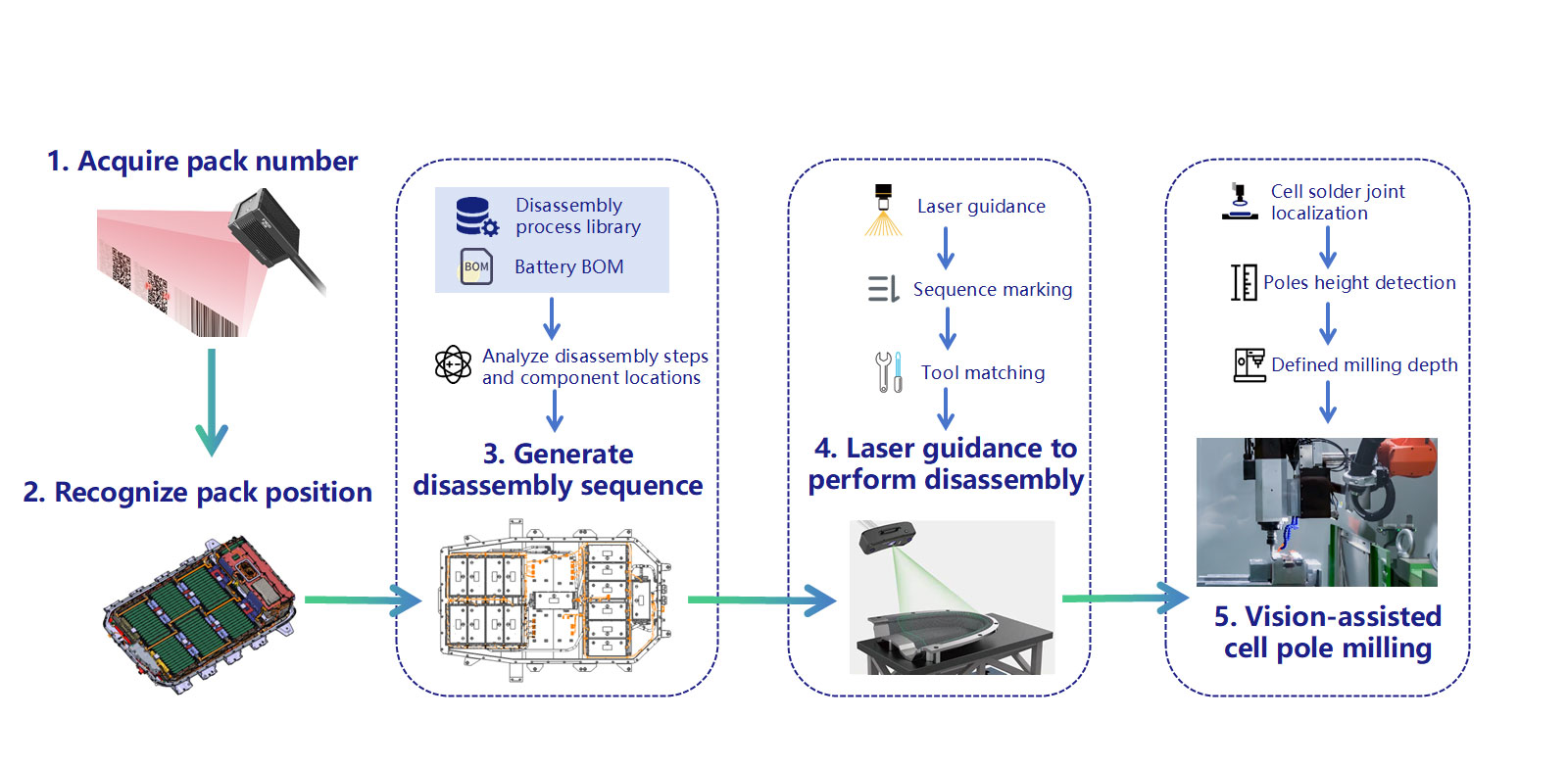
Capable of performing various disassembly tasks, with a complete workflow that dismantles spent battery packs down to the cell level.
Pros
Maximizes the recovery of valuable components.
Increases economic benefits by approximately 30%.
Equipped with precise robotic arms and tools capable of performing detailed disassembly actions.
Human-robot synchronized disassembly operations, where the machine handles repetitive tasks, significantly reducing labor intensity.
Features a modular architecture for easy maintenance, upgrades, and expansion of functionalities to accommodate different types of battery packs.
Precision disassembly
Environmental Protection
No pollution from physical discharge
Sealed inert environment (continuous nitrogen blowing) and negative pressure pumping environment
Pros
Real-time monitoring of temperature, smoke, and flame.
Rapid testing
Function
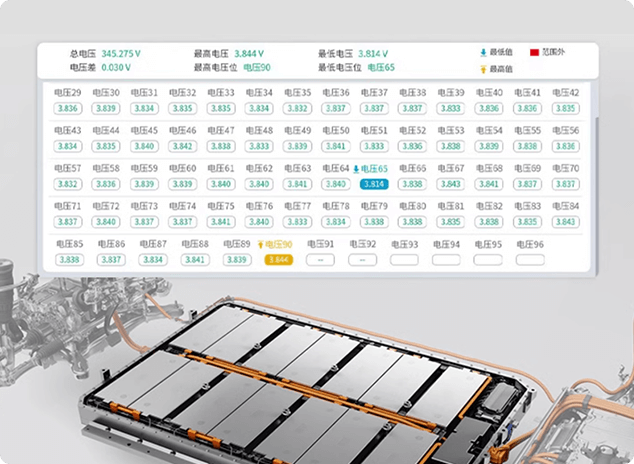
Replace the BMS main control, control the charging and discharging
of the battery pack, and monitor data such as voltage and temperature,
and evaluate the performance of the battery pack.
Advantages
Industry-leading rapid SOH detection of the battery pack, and detection without disassembling the battery pack.
Support reading of the battery pack data stream, and support reading of cell voltage and battery pressure difference.
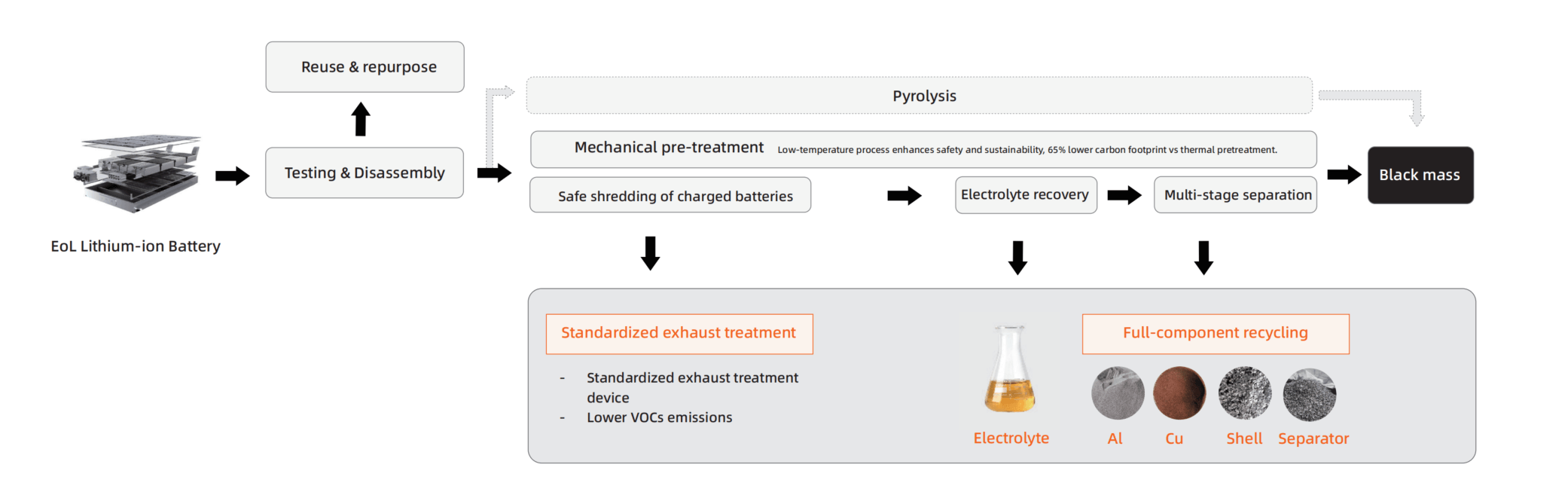
Reuse and repurpose
Pros
Compact design, small footprint.
Compliant with regulatory requirements, eligible for certification.
Short delivery cycle.
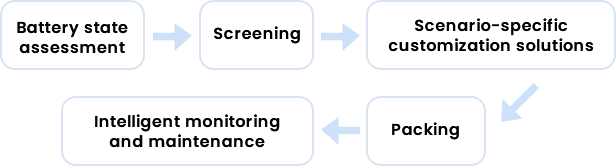
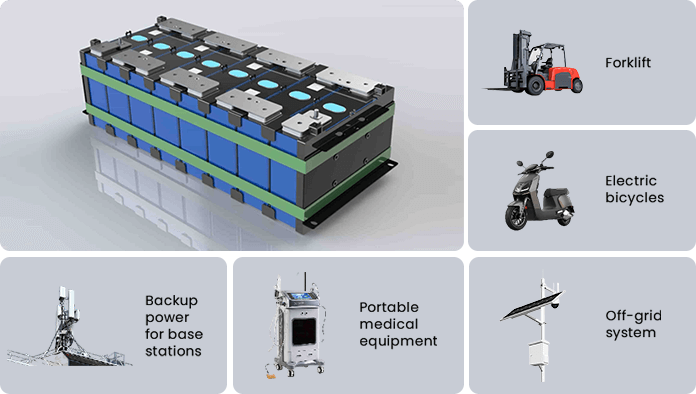
Cell packing
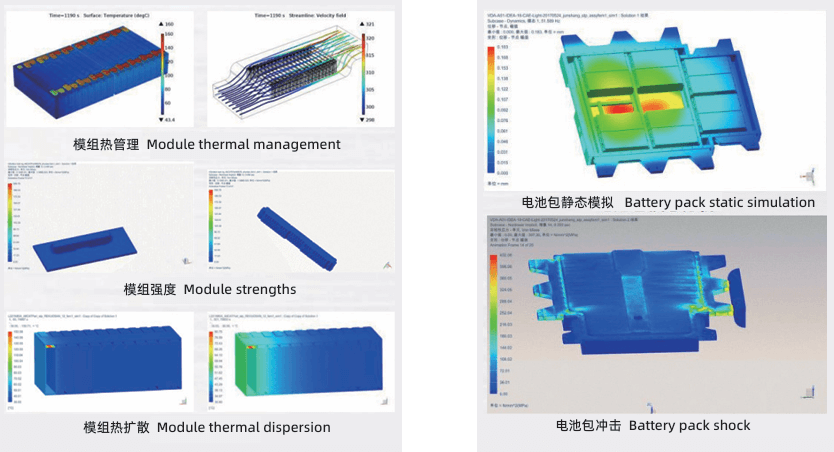
Integrated "Module-to-Pack" Simulation Platform: Supports end-to-end battery R&D through advanced modeling and validation.
Battery cell/module
AtomoSentry:
Safe shredding of charged batteries
ElectroCycle:
Electrolyte recovery and treatment
Efficient separation
& recovery of full components

Electrode sheet
Pros
Compatible with processing both cathode and anode sheets
Short process flow, high production efficiency
Relatively low equipment cost
No pyrolysis process, low energy consumption
Environmentally friendly and non-polluting

NCM black mass
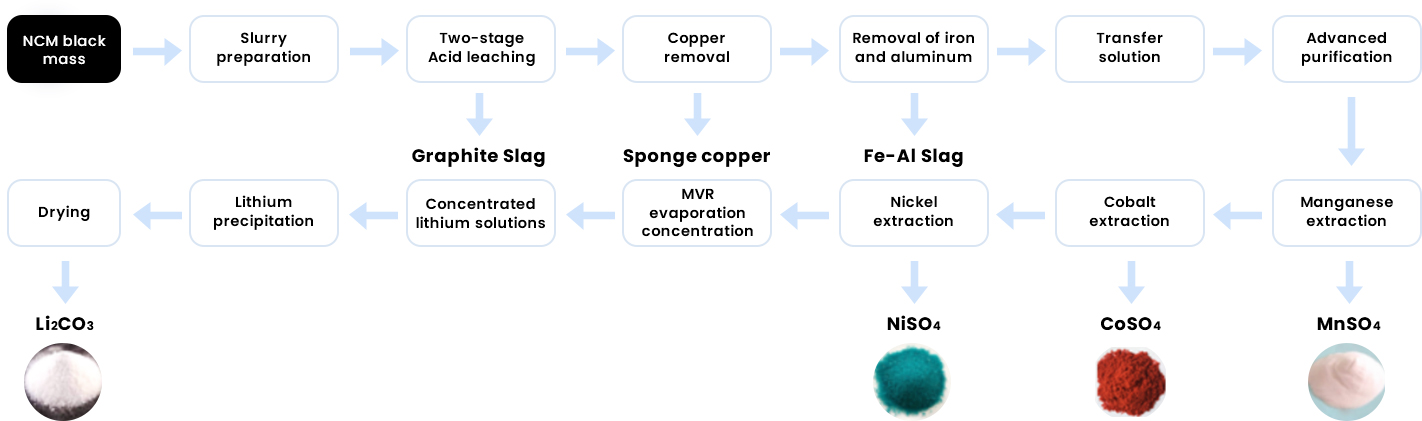
LFP BLACK MASS
LFP lithium-first extraction
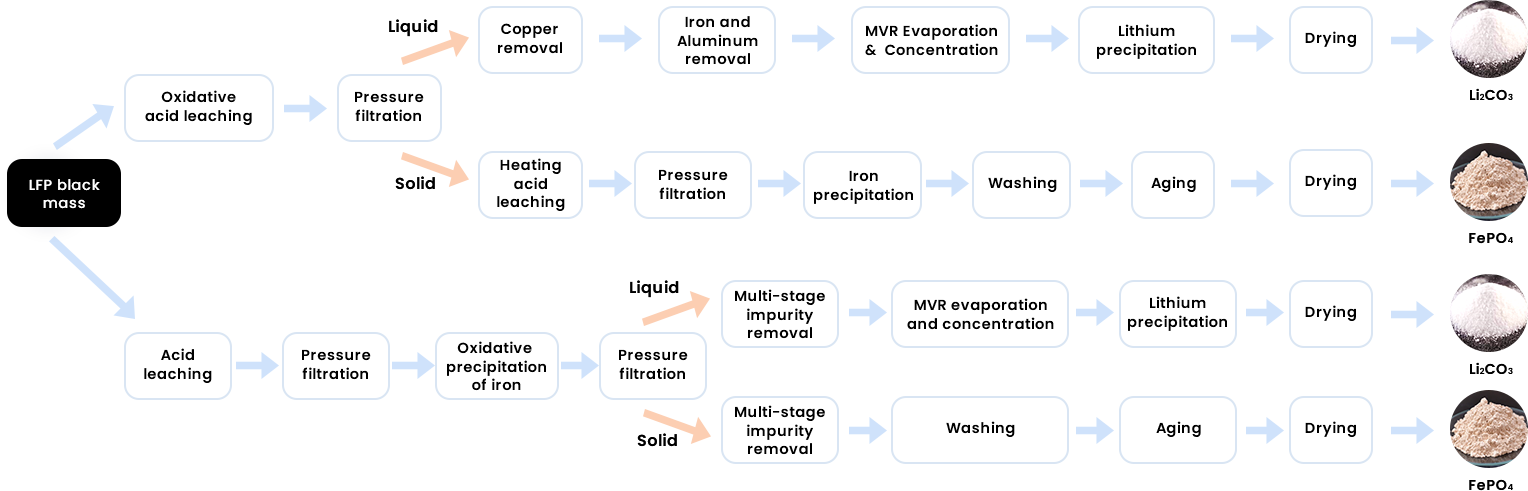
LFP Full-element leaching recovery
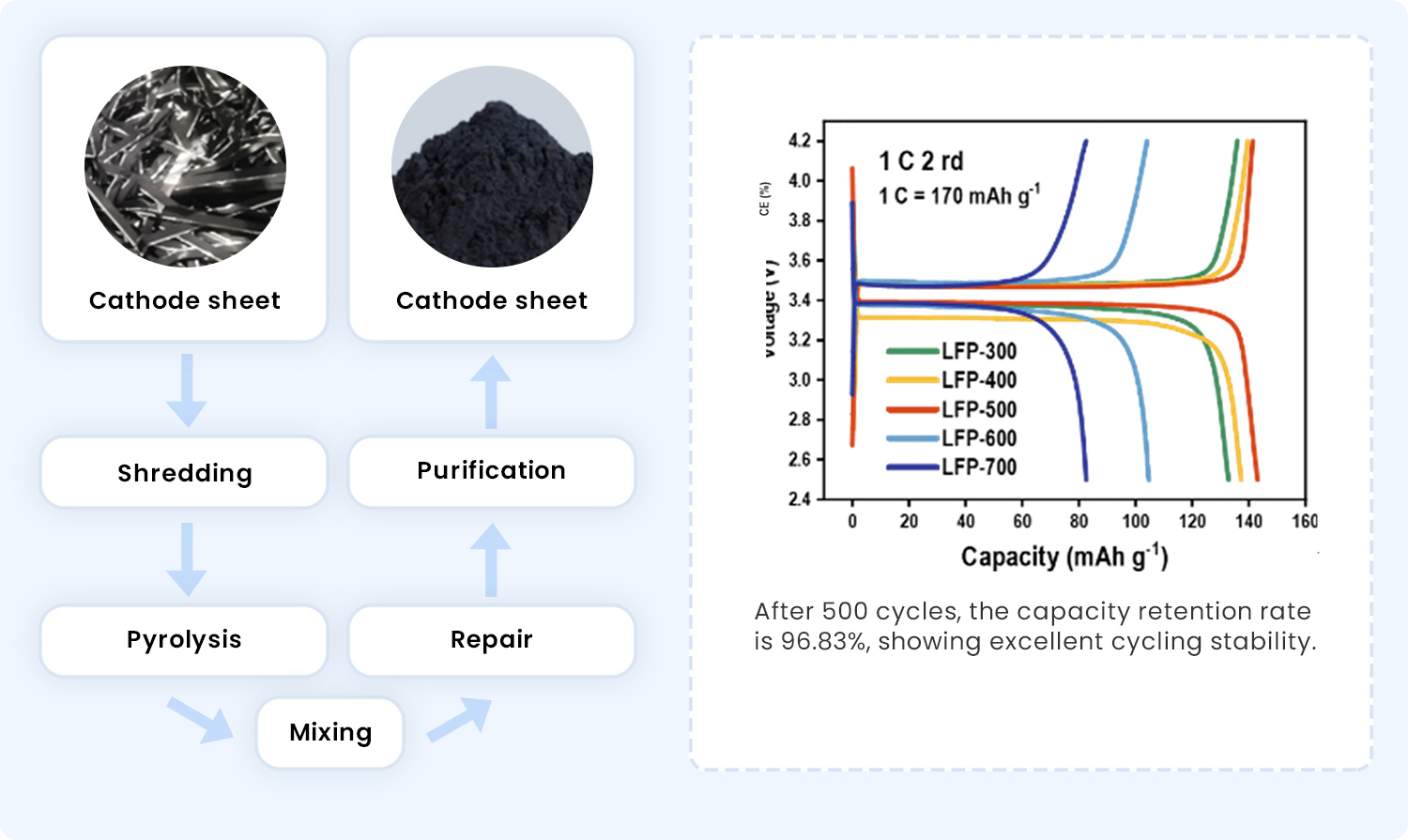
Cathode material regeneration
Function
Capacity retention rate of 96.83% after 500 cycles.
Product recovery rate > 99%.
Aluminum content in cathode materials < 100 ppm.
Pros
Capable of repairing retired battery cathode materials
Uniform carbon content and morphology, with low iron-lithium antisite defects
Excellent cycling stability
Repaired materials reach the level of commercial lithium iron phosphate materials
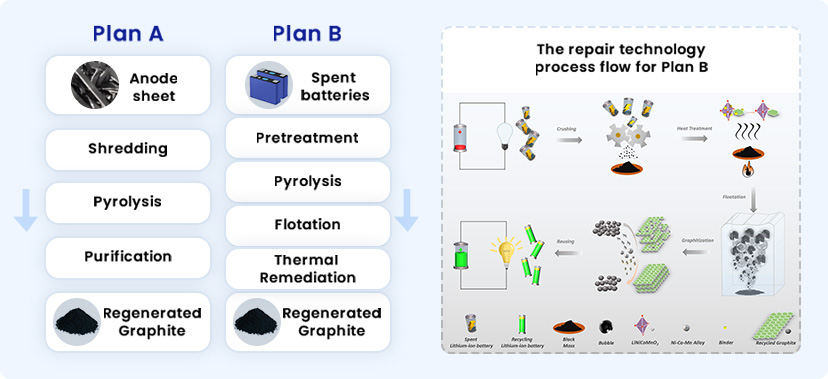
Anode material regeneration
Function
Achieve a graphite recovery rate of over 99%.
Initial week coulombic efficiency reaches 93.38%.
Specific capacity at 0.2C discharge is 360mAh/g.
Maintain a capacity retention rate exceeding 99.9% after 100 cycles.
Pros
The product can be directly reused through regeneration
High recycling rate, and stable performance.
Short process flow, high production efficiency.
Equipment use relatively low cost.
Can repair spent battery (wet) anode electrode material.
Battery pack/Module disassembly
Battery cell/module